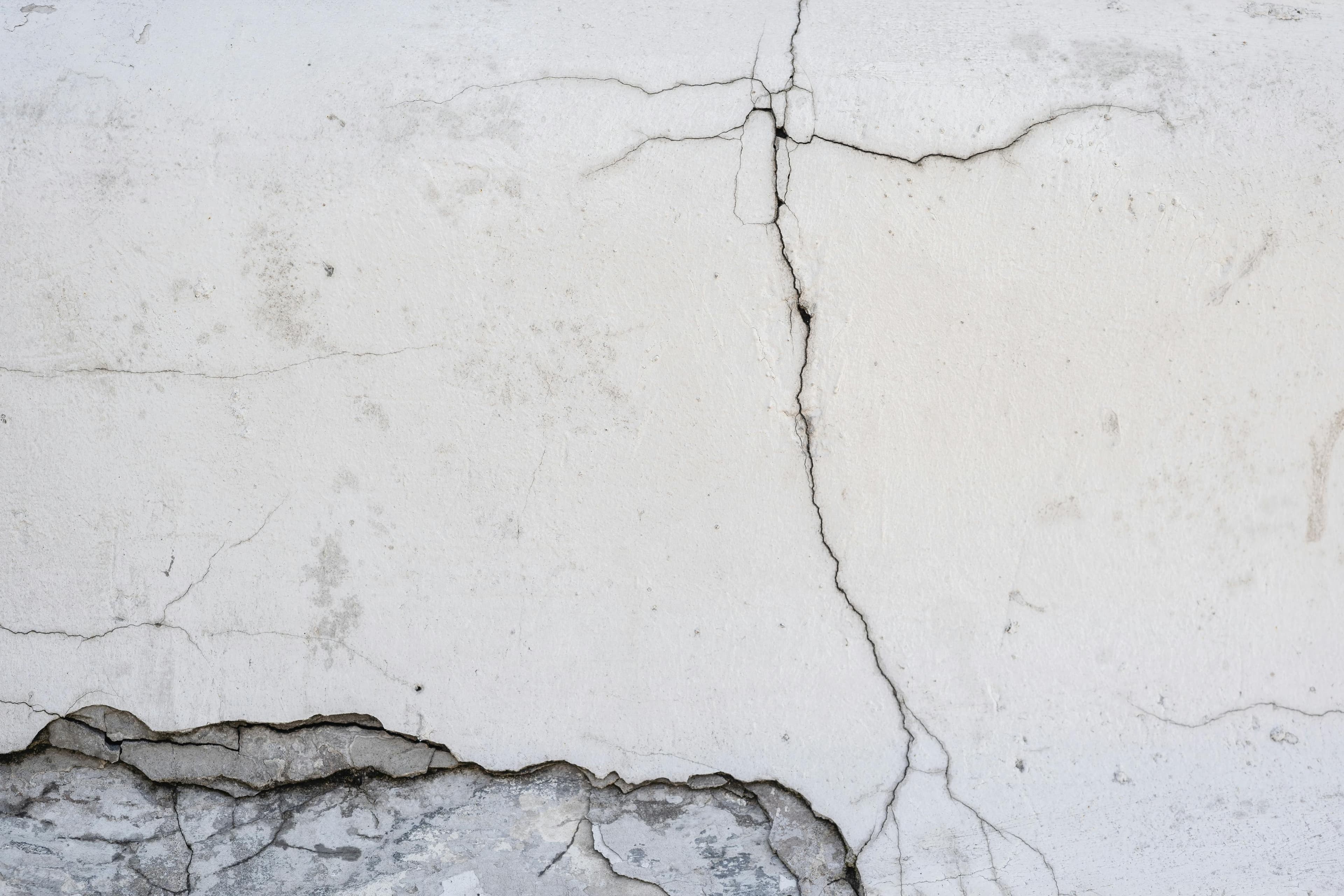
In Finland, residential buildings are put to a serious test: cold winters, frost, humidity and large temperature variations strain structures. No wonder that many houses and apartments develop wall cracks over time. While some are purely cosmetic, others may indicate structural problems.
In this article we will go through why wall crack repair is important, what materials to use, how the work is done step by step and when to turn to a professional. If you need help with other renovation work such as wall painting or wallpapering, contact our experts.
Why is wall crack repair important?
Cracks are not just an aesthetic problem. They can:
- Weaken the load-bearing capacity of walls, if it is a structural damage.
- Let moisture into structures, which increases the risk of mold and decay.
- Expand over time and cause further damage.
- Lower apartment value and make selling more difficult.
Therefore, wall crack repair should be done as soon as the problem is noticed. The faster it is done, the easier and cheaper the renovation is.
Most common causes of cracks in Finland
- Building settlement and frost – Finland's soil and seasonal variations cause foundation movements.
- Building age – in old houses, mortar, concrete and brick gradually lose their strength.
- Construction defects – too thick plaster layer or poor surface preparation.
- Moisture – water leaks, poor waterproofing or ventilation.
- Vibrations – near large construction sites houses may suffer vibration damage.
Types of cracks and their meaning
Not all cracks are equally dangerous. They can be classified:
- Surface cracks – small and narrow, cosmetic damage in plaster or paint.
- Deep cracks – extend through plaster or leveling compound, require careful filling.
- Structural cracks – wide, continuously growing or running through load-bearing walls.
Materials for wall crack repair
Several different materials can be used for wall crack repair:
Cement mortar for wall crack repair
Suitable for filling wider cracks. When the crack is over 2 cm, the mixture is reinforced with sand. Cement mortar is affordable, durable and works both indoors and outdoors.
Filler and leveling compound for small cracks
Best choice for small and medium-sized cracks. Both gypsum-based and polymer-based options are available. Polymer compounds resist moisture and are well-suited for bathrooms and saunas.
Sealants for flexible areas
Good for areas requiring flexibility, such as around windows and doors. Acrylic can be painted, silicone cannot. Polyurethane sealants withstand outdoor use well.
Polyurethane foam for large damage
Suitable for wide cracks and voids. Foam expands, filling cavities and works well in combination with cement mortar.
Special compounds and professional solutions
There are also ready-made repair compounds on the market that combine good adhesion, moisture resistance and fast drying. These are often used in professional renovations.
Step-by-step guide to repairing a wall crack
- Cleaning the crack – remove loose material and brush the surface.
- Opening edges – make the crack slightly wider from the outside.
- Priming – treat the crack with primer or water.
- Filling – use the chosen material layer by layer.
- Finishing – smooth the surface with a spatula and sand if necessary.
- Surface treatment – paint, wallpaper or tile the wall.
Special cases: interior walls, exterior walls and basements
Different situations require different solutions:
- Interior walls – usually filler or compound is sufficient.
- Exterior walls – cement mortar or moisture-resistant polymer compound.
- Basements – use moisture-resistant compounds and ensure waterproofing.
- Old building repairs – the material should be chosen according to the original building material.
When to call a professional?
DIY repair is often sufficient for small cosmetic damage, but a professional is needed when:
- The crack is wider than 5–10 mm and growing continuously.
- The crack is in a load-bearing wall.
- Cracks appear in several different places in a short time.
- Transparent cracks appear in the wall that show through to the outside.
- The building's foundation has movement or settlement problems.
Maintenance and prevention
Wall cracks can be prevented by ensuring:
- Sufficient subsurface drainage and water removal.
- Good ventilation so moisture does not remain in structures.
- Proper construction techniques such as priming and layer thickness.
- Regular monitoring of old buildings' structures.
Summary
Wall crack repair is an important part of home maintenance in Finland, where climate and soil conditions place serious challenges on buildings. Small damage can often be fixed yourself with compound, cement or sealant, but larger and growing cracks require professional expertise.
When cracks are repaired with proper materials and working methods, walls remain intact and safe for a long time. This way the home maintains its value and living comfort improves.